
Let me tell you about web design and how we at ComputerXplorers engage the next generation of tech geniuses to start their web design journey.
 Students absolutely LOVE it when it’s time to create a website. If this generation knows how to do anything, they know how to navigate the internet! Teaching them web design gives us the opportunity to educate students on how to navigate the internet safely, how to create and design something with purpose, and how to be critical of the information presented to them – for example, how do they know a website is reliable?
What Do You Think of When You Imagine A Website?
The information it holds? How pretty it looks? How interactive is it? You’d be right to think that these are all important aspects of web design, but something you may not consider are questions like who is the intended audience? What is the main message and purpose of the website? How do the designers make sure that they engage their audience and increase traffic flow to their website? What do they want their website to say about them? These are questions we ask our students to reflect on before they set out on their web design project.
We teach our ComputerXplorer students that a big part of web design is that their website is a reflection of them, as well as their chosen topic. It gives their audience an insight into who they (the designer) are as a person, and it’s this that will engage their audience. We value the person behind the product or the information, and it’s them we invest in.
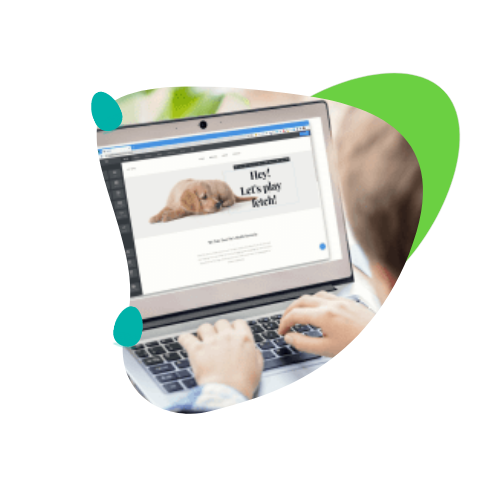
Knowing who the intended audience is allows our students to plan their content appropriately and design their website successfully. It wouldn’t be relevant to have an “I love animals” website filled with photos of people skydiving for example!
An important component of web design in the classroom is setting the parameters of the task. For example, we may outline the objective that their website subject is the Tudors and their audience is year 6 pupils, or it may be a website about desert animals for KS1 pupils. This enables pupils to clearly engage with who their audience is and consider which language and words are most appropriate, what information will the audience want to know, and how can they successfully achieve this?
We not only have students think critically about what makes a great website, but also think about the importance of copyright and acknowledging any sources they’ve used that are not their own. We make space for the healthy discussion of ethics and fair use to really drive home the importance of using and referencing reliable sources and websites, and being mindful of browsing the internet and using someone else’s work.
The Design Aspect
Once the students have planned out the foundations of their website they can get creative!
They’re able to choose colours, fonts, images, videos and the layout of their website. All this reflects their personality and in each person’s work, we get the opportunity to see them and who they are. It’s a privilege to be able to be a part of that, and watch them grow and flourish whilst learning, and having fun!
What benefits does this have for your child?
- It expands and improves their reading abilities
- Cultivates their innate creativity
- Builds connections and partnerships with peers
- It’s fun!
As well as all of the above, web design gives children the opportunity to express their knowledge in an accessible and tangible way. They very often can’t wait to show off their work to everyone and they take great pride in their creation. It gives them a sense of achievement and shows them that they’re able to complete a task and that they CAN do it. At ComputerXplorers, that’s why we do what we do.

